When it comes to creating a lush and inviting outdoor space, selecting the right Carpet Lawn Grass is essential. Renowned landscape expert Dr. Emily Green once stated, “Choosing the right grass is the foundation of a beautiful lawn.” This sentiment echoes the importance of careful consideration as homeowners navigate their options.
Carpet Lawn Grass offers a soft, dense surface ideal for both aesthetics and functional use. Many types, such as fescue and Bermuda, vary in maintenance needs. Understanding your local climate is critical. A grass that thrives in one region may struggle in another, leading to costly mistakes.
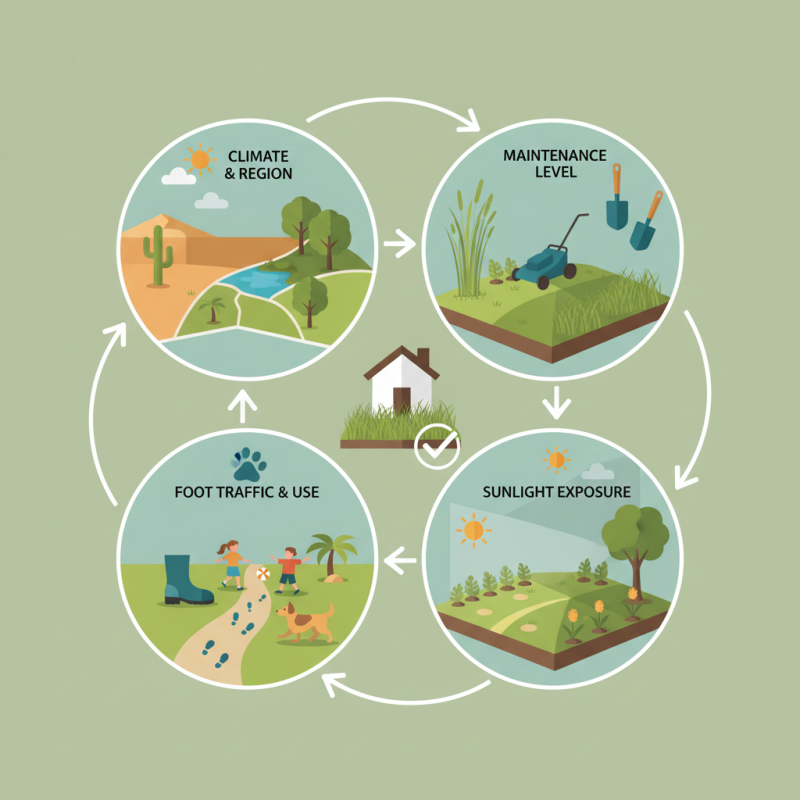
Selecting the perfect grass can feel overwhelming. Factors like sunlight exposure and foot traffic influence your choice. Observing your yard throughout different seasons can help. This reflective approach ensures you make an informed decision. Carpet Lawn Grass can transform your home’s landscape, enhancing its beauty and usability.
When choosing carpet lawn grass for your home, it’s essential to understand the various types available. Cool-season grasses thrive in northern climates. They grow best during the spring and fall. Examples include Kentucky bluegrass and tall fescue. These grasses tend to withstand cold temperatures well. They offer a lush, green carpet ideal for relaxation.
Warm-season grasses are suitable for southern regions. These flourish in hot summers and go dormant in winter. Bermuda grass and Zoysia grass are popular choices. They develop a dense, carpet-like lawn that is resilient to heat and drought. However, they can struggle in cooler temperatures.
Selecting the right type of grass depends on your local climate and lawn usage. Factors like sunlight and soil quality also play a role. Some grasses require more care than others. This consideration can affect your long-term satisfaction. Experimenting with different types is part of the journey. Finding the best fit takes time and careful observation. Be open to change and adaptability.
Choosing the right carpet lawn grass
involves understanding your local climate and soil type. According to the USDA Plant Hardiness Zone Map, temperatures in your region greatly influence grass growth. For instance, warm-season grasses thrive in Zones 7 to 10, while cool-season varieties flourish in Zones 3 to 6. This temperature range directly affects how well your grass will establish itself and endure seasonal changes.
Soil type is equally crucial. Sandy soils drain quickly but may lack nutrients. Clay soils retain water but can become compacted. A 2019 report by the American Society of Agronomy indicated that grass grows best in loamy soils, which combine sand, silt, and clay for balanced moisture and nutrient retention. Testing your soil pH can guide your choices; most grasses prefer a pH of 6.0 to 7.0.
Consider grass maintenance as well. Some types require more water or fertilizer than others. Overwatering can lead to diseases like root rot.
As you assess your options, reflect on your commitment to upkeep. Not every type of grass will suit your lifestyle or local conditions. What works for one lawn might fail for another.
When selecting carpet lawn grass, maintenance requirements play a crucial role. Choosing a type that suits your lifestyle is essential. For instance, studies show that warm-season grasses, such as Bermudagrass, require more frequent mowing compared to cool-season types like Kentucky bluegrass. This information helps homeowners prioritize their time and resources effectively.
Another factor to consider is irrigation needs. Grass types like Zoysiagrass thrive in drought conditions but may need more attention in extreme heat. Conversely, cool-season grasses require regular watering during warmer months. Finding the right balance can reduce water bills significantly, especially in regions with high summer temperatures.
**Tips:** Observe your local climate when choosing. Some grasses may not thrive if temperatures shift too drastically. Consider maintenance levels realistically. It requires time and labor, which can become overwhelming. Prioritizing grass types that align with your capacity can lead to a more rewarding landscaping experience. Keep in mind that an informed choice leads to long-term satisfaction.
Choosing the right carpet lawn grass is crucial for creating an inviting outdoor space.
Aesthetic preferences play a large role in this decision. Consider the colors and textures that appeal to you.
Some people prefer a lush, deep green appearance, while others might enjoy a lighter,
more muted shade. The visual impact of grass can change the overall feel of your yard.
Yard usage also significantly influences grass selection. If the lawn will see heavy foot traffic, durable varieties are essential.
Families with children or pets need grass that can withstand wear and tear. Weighing these factors can seem overwhelming.
It’s important to reflect on how you intend to use your lawn.
A well-maintained lawn can enhance your home's beauty, but it requires effort and commitment.
Additionally, don’t overlook the varying climate conditions in your area. Some grasses thrive in full sun, while others prefer shady spots.
Poor choices can lead to patchy areas. Observing how different grasses perform in similar conditions can guide your choice.
Understanding these nuances will enhance your lawn's durability and aesthetic appeal.
When budgeting for initial installation of carpet lawn grass, several factors come into play. A typical cost ranges from $0.50 to $2.00 per square foot. However, this price can vary based on factors such as grass type, soil quality, and regional climate conditions. For example, installing Bermuda grass in southern climates tends to be more affordable due to its suitability.
Long-term care is often overlooked in budgeting. Annual maintenance costs can reach $250 to $1,000, depending on lawn size and care practices. Regular mowing, fertilizing, and weed control are essential. Research indicates that well-maintained lawns can enhance property value by up to 15%. Yet, many homeowners underestimate these costs.
Water usage is another significant aspect. On average, a healthy lawn requires 1 to 1.5 inches of water per week. This can lead to increased water bills, especially in arid regions. While many choose drought-resistant varieties, those might require different care strategies. It's vital to reflect on these long-term commitments and their impact on overall lawn health and household budgets.
: Local climate and soil type are crucial for selecting the right grass.
Temperatures in your region influence grass establishment and seasonal endurance.
Loamy soils are ideal as they balance moisture and nutrients effectively.
Most grasses thrive at a pH level between 6.0 and 7.0.
Costs typically range from $0.50 to $2.00 per square foot.
Annual maintenance can vary from $250 to $1,000 based on lawn size.
A lawn usually needs 1 to 1.5 inches of water each week.
Yes, overwatering can cause diseases like root rot in grass.
A mismatched grass type may thrive poorly, disappointing your expectations.
A well-maintained lawn may increase property value by up to 15%.
Choosing the best Carpet Lawn Grass for your home involves a thoughtful approach that considers various factors. First, it's essential to understand the different types of carpet grass available and identify which species thrive in your specific climate and soil type. This step is critical for ensuring optimal growth and durability.
Furthermore, evaluating the maintenance requirements of your selected carpet grass options is crucial, as some varieties may demand more care than others. You should also take into account your aesthetic preferences and how you intend to use your yard, as this will influence your grass choice. Lastly, budgeting for the initial installation and long-term lawn care costs will help you make an informed decision, ensuring that your carpet lawn not only looks great but also remains healthy and manageable over time.

Yameiju