China has become an important sourcing destination for Grass Mats used in homes, hotels, gardens, events, and commercial spaces. Its manufacturers offer woven reed, bamboo, rush, sisal, and other plant-based options. Each material creates a different surface. Some feel cool and firm under bare feet. Others provide softer texture and stronger visual warmth.
Sustainable materials expert William McDonough once said, “Waste equals food.” This principle encourages buyers to examine renewable fibers, responsible processing, and end-of-life options. However, natural materials are not automatically sustainable. A reliable supplier should explain fiber origins, drying methods, dye safety, backing materials, packaging, and production waste. Factory photographs help, but direct audits and sample checks provide stronger evidence. Small details matter.
Look closely.
The best China Grass Mats manufacturers usually provide clear specifications, consistent dimensions, stable weaving density, and practical moisture guidance. Buyers should request samples before placing large orders. Compare edge finishing, odor, color variation, flexibility, and resistance to daily wear. Ask whether production follows documented quality procedures and whether test reports match the actual product. Certifications can support credibility, but they should never replace independent verification.
This market still has weaknesses. Product descriptions may sound greener than the manufacturing process really is. Some suppliers communicate well but lack stable quality control. Others produce attractive samples yet struggle with repeat orders. A careful sourcing process should include factory communication, pre-shipment inspection, packaging review, and realistic expectations about natural variation. This guide examines leading Chinese Grass Mats manufacturers and suppliers through those practical, evidence-based considerations.
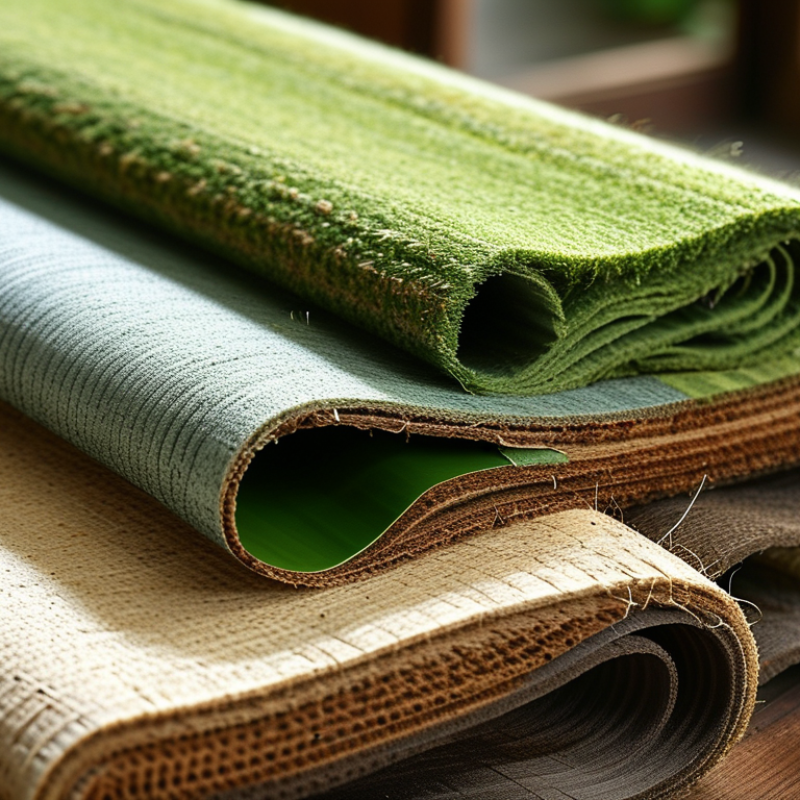
China’s grass mat manufacturers produce several practical styles for homes, hospitality spaces, and outdoor settings.
Woven straw mats use rice straw, wheat straw, or similar plant fibers. They feel light under bare feet and often feature simple, earthy textures.
Rush and cattail mats offer tighter weaving and better surface stability. Their pale fibers create a clean appearance beside wooden furniture.
Bamboo grass mats combine thin bamboo strips with woven grass borders. They are firmer, cooler, and easier to clean, although they may feel less flexible.
Some suppliers also make hand-braided seagrass mats, which provide thicker texture and stronger visual character. Machine-woven versions usually deliver more consistent sizing. Handmade versions show natural variation. That difference matters.
Tips:
Check fiber dryness, edge stitching, backing strength, and odor before ordering. Ask for a sample in actual lighting. Rub the surface gently to inspect shedding. Measure thickness beside a doorway. A beautiful mat can still curl at the corners.
Also, confirm packaging for humid transport, because moisture can damage natural fibers.
I have found that buyers often focus on color first, then regret ignoring weave density. This is an imperfect habit worth correcting.
Choose the mat according to traffic, cleaning methods, and room humidity, not appearance alone.
: Common materials include reed, straw, bamboo fiber, sisal, seagrass, and blended plant fibers. Reed feels firm. Straw feels lighter and more flexible. Bamboo fiber can create a smoother surface, but it needs careful tension control. Natural colors and textures may vary between batches.
Workers clean, dry, grade, and cut the fibers before weaving. Machines or hand-operated looms form the main structure. Workers then bind the edges with plant fiber or cotton thread. Pressing can flatten raised sections. The process looks simple, but moisture changes everything.
Check dimensions, thickness, weave density, edge strength, odor, and loose fibers. Measure thickness in several places. Roll the mat, open it, and observe its shape. Brush the surface repeatedly. Loose strands may appear. One perfect corner proves little.
Excess moisture may encourage mold, unpleasant odors, fiber weakness, or packaging damage. Drying may use controlled rooms or sunlight. Sunlight can reduce energy use, but weather creates inconsistent moisture levels. Ask for moisture data before shipment. Humidity deserves attention.
Request material specifications, factory registration, capacity details, and recent inspection records. Compare samples with written descriptions. Examine stitch spacing, edge binding, backing strength, and color consistency under daylight. Product photos can look convincing. They are not enough.
No. Trade classifications may group mats made from different plant materials. Export records can reveal inconsistent descriptions or quantities. They cannot confirm grass content or weaving quality. Use invoices, packing lists, and inspection reports together. Documents can still look stronger than reality.
Jiangsu is associated with reed weaving and flexible household mats. Zhejiang often combines traditional weaving with modern cutting equipment. Shandong and Anhui support processing for reeds, cattail, bamboo, and seagrass. Regional strengths vary by factory. Local reputation is not proof.
Start with a trial order and written specifications. Request batch photos, moisture information, defect limits, and a pre-shipment inspection plan. Check carton compression and inner moisture barriers. Confirm that the final material matches the approved sample. I would still inspect independently.
Many suppliers can offer custom sizes, printed borders, rolled packaging, and private labeling. Ask for a production sample first. Natural fibers may change slightly in shade and texture. That variation is normal. Repeated uneven weaving is not.
No process is flawless. Skilled workers may miss a loose strand or uneven edge. Small batches can show more variation. Regular inspections and correction procedures reduce surprises. I would leave room for mistakes. That is more realistic.
China is a major source of Grass Mats, offering a wide range of products for home decoration, commercial spaces, outdoor areas, and specialized applications. Manufacturers commonly produce woven, braided, stitched, tufted, and non-woven mats using materials such as natural grass, bamboo, jute, sisal, seagrass, and synthetic fibers. Production methods may include drying, splitting, weaving, bonding, edge finishing, dyeing, and protective treatment, with each process affecting the mat’s appearance, strength, flexibility, and durability.
When evaluating Chinese suppliers, buyers should review material consistency, manufacturing experience, customization capabilities, product samples, inspection procedures, and communication efficiency. Major production regions often provide different advantages, including abundant raw materials, skilled labor, advanced equipment, and convenient export services. Before ordering, customers should confirm specifications, dimensions, packaging, labeling, lead times, payment terms, and quality standards. Pre-shipment inspections, sample approval, moisture control, and secure packaging can help reduce defects and transportation risks. Careful supplier selection and clear quality agreements are essential for reliable international sourcing.

 Yameiju