Artificial grass has become a popular alternative to natural grass in recent years. According to a report by MarketsandMarkets, the artificial grass market is expected to reach $5.4 billion by 2027, growing at a CAGR of 8.5%. This growth reflects a shift in consumer preferences towards low-maintenance landscaping options that still provide aesthetic appeal.
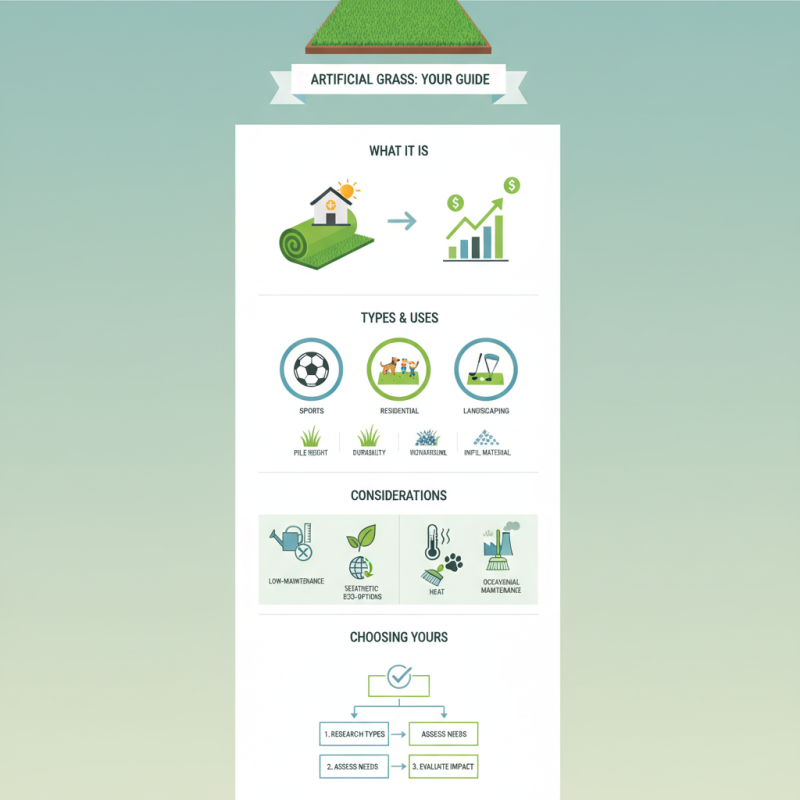
When selecting artificial grass, it is important to understand the various types and their specific applications. For example, some grass options are designed for sports fields, while others are better suited for residential lawns. Factors such as pile height, durability, and infill material play crucial roles in the performance and longevity of the grass. It is also essential to consider the environmental impact. Some products are made from recycled materials, but the production process can still raise concerns about sustainability.
Despite its advantages, artificial grass is not without its drawbacks. It can heat up significantly in direct sunlight, which may be uncomfortable for pets and children. Moreover, it may require occasional maintenance to keep it looking fresh. Making an informed choice in this evolving industry demands careful consideration of these aspects.
What is Artificial Grass? A Comprehensive Overview
Artificial grass is a synthetic alternative to natural turf, designed to mimic its appearance and feel. It is made from various materials, usually polyethylene, polypropylene, or nylon. This grass is commonly used in residential lawns, sports fields, and playgrounds. The durability and low maintenance of artificial grass appeal to many. However, it’s essential to understand its limitations.
One significant aspect of artificial grass is its environmental impact. While it requires no watering or mowing, the production process can involve harmful chemicals. Disposal at the end of its life cycle also poses challenges. Therefore, it is crucial to research eco-friendly options.
Choosing the best artificial grass for your needs involves several factors. Consider the intended use, traffic levels, and aesthetic preferences. You may want to touch and see the grass samples before purchasing. Price is also a crucial factor, as not all options provide the same quality or longevity. It’s worth considering warranty details and manufacturer reputation.
The Different Types of Artificial Grass and Their Applications
Artificial grass comes in various types, each suited for specific applications. Understanding these can significantly impact your choice. For residential lawns, look for soft, durable options that mimic natural grass. These types often have a lush appearance, providing a comfortable area for kids and pets to play.
In commercial settings, consider heavier-duty turf that can withstand more foot traffic. This grass has a denser construction, ensuring longevity and maintaining its aesthetic appeal. Sports fields require specialized artificial grass designed for performance. Often, these types feature a higher fiber count for better playability and shock absorption during activities.
Tip: Always assess the drainage capabilities of the turf you choose. Poor drainage can lead to water pooling and damage over time. It's also wise to consider the infill materials. They can affect the grass's feel and durability. When selecting artificial grass, it’s crucial to weigh your specific needs against the various options available. Take your time to research and reflect on the best fit for your space.
Key Benefits of Choosing Artificial Grass for Your Lawn
Artificial grass has become popular for homeowners seeking alternatives to natural lawns. One of the key benefits of artificial grass is its low maintenance requirement. You won’t need to mow, water, or fertilize regularly. This saves you time and money. Imagine weekends spent on other activities instead of yard work.
Another advantage is its durability. Artificial grass can withstand heavy foot traffic without showing wear and tear. This means a vibrant, green lawn year-round. It also helps with sustainability. Less water usage leads to a reduced environmental impact. However, consider your local climate and the amount of sunlight your lawn receives. Not all artificial grasses perform equally.
You may also reflect on the initial investment needed for installation. It can be higher compared to natural grass. Weigh the long-term savings against the upfront cost. Explore various options, textures, and colors to find what fits your style. As you consider artificial grass, remember that it's not just about aesthetics. It's about creating a functional and enjoyable outdoor space that meets your needs.
Factors to Consider When Selecting Artificial Grass Products
Selecting the right artificial grass involves several key factors. One must consider the purpose of the lawn. A backyard for children requires different features than a putting green. Assessing foot traffic is crucial. High-traffic areas need durable materials, whereas low-traffic zones can use softer options.
Quality is another essential factor. Different grass products vary in texture, color, and durability. Choosing a product that mimics natural grass often enhances aesthetic appeal. Examining the pile height is vital. Taller blades provide a lush look, but short ones are more practical for pets. Infills can also improve performance, offering stability and drainage.
Evaluating installation methods is necessary for long-term use. Professionals can ensure proper setup, but DIY options exist. Proper installation prevents issues like wrinkling or uneven surfaces. Reflect on your experience with natural grass maintenance. If you seek less upkeep, artificial grass might be a suitable alternative. It’s also important to research product warranties and longevity, ensuring reliability for years to come.
What is Artificial Grass and How to Choose the Best for You? - Factors to Consider When Selecting Artificial Grass Products
| Factor |
Description |
Importance Level |
| Material Quality |
The composition of the grass fibers, often polyethylene, polypropylene, or nylon. |
High |
| Blade Height |
The length of the grass blades, typically ranging from 30mm to 50mm. |
Medium |
| Density |
The number of blades per square meter, influencing comfort and realistic appearance. |
High |
| Color Variation |
Different shades of green and other colors to mimic natural grass. |
Medium |
| UV Resistance |
Resistance to fading from sunlight, prolonging the life and appearance. |
High |
| Water Drainage |
Ability of the turf to allow water to pass through, preventing pooling. |
Medium |
| Installation Method |
Types of installation options including DIY or professional installation. |
Medium |
| Cost |
The price per square meter, which varies based on quality and features. |
High |
Industry Standards and Certifications for Quality Artificial Grass
When selecting artificial grass, understanding industry standards and certifications is crucial. The American Society for Testing and Materials (ASTM) sets benchmarks for quality. Products often undergo rigorous testing for durability, safety, and environmental impact. A report by IBISWorld indicates that the artificial turf market is projected to grow, indicating increasing consumer confidence in these standards.
Certifications like the NSF 50 ensure that artificial grass is safe for recreational use. This includes testing for harmful chemicals and heavy metals. Quality products typically display certifications, educating consumers about their safety. However, the variety of certifications can be overwhelming. Not all products may meet the same rigorous tests, leading to inconsistencies.
It’s important to consider local regulations as well. Different regions may have specific guidelines for installation and maintenance. Product performance can vary based on climate and usage. Consulting with professionals who understand these standards can provide valuable insights. Choosing the right artificial grass involves careful consideration of quality markers and compliance with industry standards.
Comparison of Different Types of Artificial Grass Based on Key Features
This bar chart compares three common types of artificial grass based on their durability in years. Nylon offers the highest longevity, followed by polyethylene, while polypropylene has the least durability among the three options.
Conclusion
Artificial Grass is a synthetic alternative to natural turf, designed to mimic the look and feel of real grass while offering a durable and low-maintenance solution for various applications. This type of grass comes in different styles, each suited for specific uses, such as residential lawns, sports fields, and commercial areas. The key benefits of choosing Artificial Grass include reduced water consumption, minimal upkeep, and long-lasting aesthetics, which make it an appealing choice for many homeowners.
When selecting the best Artificial Grass for your needs, several factors should be considered, including pile height, density, UV resistance, and drainage capabilities. Additionally, it's essential to be aware of industry standards and certifications that ensure the quality and safety of the products you choose. By taking the time to understand these aspects, you can make an informed decision that enhances your outdoor space.

 Yameiju